Best Time of Year to Seal Pavers in Florida | Restore Paver Co.
Best Time of Year to Seal Pavers in Florida
Florida is one of the toughest environments for outdoor pavers. Between heavy rain, intense sun, humidity, mold, algae, and constant heat, your driveway, patio, pool deck, and walkway pavers take a beating year-round.
That leads many homeowners to ask: When is the best time of year to seal pavers in Florida?
The best time to seal pavers in Florida is typically during periods of lower rain chances, moderate temperatures, and lower humidity. In many areas, this often means fall, winter, and early spring. However, pavers can be sealed at other times of year as long as the weather conditions are right and the surface is properly prepared.
Restore Paver Co. provides professional paver sealing services throughout Tampa Bay and understands how Florida weather affects cleaning, sanding, sealing, and restoration.
Why Timing Matters When Sealing Pavers
Paver sealing is not just about applying product to the surface. The pavers need to be cleaned, prepared, dried properly, sanded when needed, and sealed under the right conditions.
Bad weather timing can lead to problems such as:
White haze
Cloudy sealer
Uneven finish
Poor bonding
Trapped moisture
Streaks
Blotchy appearance
Shorter sealer life
Florida’s weather can change quickly, so professional timing matters.
Is Winter a Good Time to Seal Pavers in Florida?
Yes, winter is often one of the best times to seal pavers in Florida.
Winter usually brings:
Lower humidity
Less frequent rain
Milder temperatures
Better drying conditions
Less intense sunlight
This can make it easier to clean, sand, and seal pavers properly.
If your driveway, patio, or pool deck looks faded or dirty after the summer rainy season, winter can be a great time to restore it.
Is Spring a Good Time to Seal Pavers?
Spring can also be a good time to seal pavers, especially before the heavy summer rain and humidity arrive.
Sealing in spring can help prepare your pavers for:
Summer storms
Pool season
Heavy backyard use
UV exposure
Mold and algae growth
Increased foot traffic
If you want your patio or pool deck ready for outdoor entertaining, spring is a smart time to schedule a paver sealing quote.
Can You Seal Pavers in Summer?
Yes, pavers can be sealed in summer, but extra care is needed.
Florida summers bring:
High humidity
Afternoon thunderstorms
Extreme heat
Intense sun
Fast-changing weather
Hot paver surfaces
Sealing in summer requires careful planning. The surface needs to be prepared correctly, and weather conditions must be watched closely.
Sealing in direct, extreme heat or right before rain can lead to poor results.
Can You Seal Pavers During Rainy Season?
Pavers should not be sealed during active rain or when rain is likely to interfere with the curing process.
Florida’s rainy season can make scheduling more difficult because sudden storms can appear quickly. If pavers are cleaned and then rained on before sealing, the surface may need more time before the next step.
Moisture trapped under sealer is one of the main causes of cloudy or white paver sealer.
Best Weather Conditions for Paver Sealing
The best sealing conditions usually include:
Dry weather
No immediate rain threat
Moderate temperatures
Lower humidity
Clean surface
Proper surface preparation
No standing water
No irrigation overspray
No heavy debris or leaves
Professional contractors look at more than just the calendar. The actual weather conditions matter most.
Should Pavers Be Cleaned Before Sealing?
Yes. Pavers should always be cleaned before sealing.
Cleaning helps remove:
Dirt
Mold
Mildew
Algae
Weeds
Sand washout
Organic debris
Stains
Surface buildup
Sealing dirty pavers can trap stains and lead to an uneven finish.
Restore Paver Co. provides cleaning, sanding, sealing, and restoration as part of a complete paver maintenance process.
How Often Should Pavers Be Sealed in Florida?
Many pavers in Florida need resealing every 2 to 3 years, depending on sun exposure, traffic, moisture, and maintenance.
For more detail, read our guide on how long paver sealer lasts in Florida.
If your pavers look faded, dull, dirty, or no longer repel water, they may be ready for resealing.
Get Paver Sealing in Tampa Bay
If you are not sure whether now is the right time to seal your pavers, Restore Paver Co. can inspect your driveway, patio, pool deck, or walkway and recommend the best next step.
We provide professional paver sealing in Tampa Bay for homeowners who want their outdoor areas cleaned, restored, and protected.
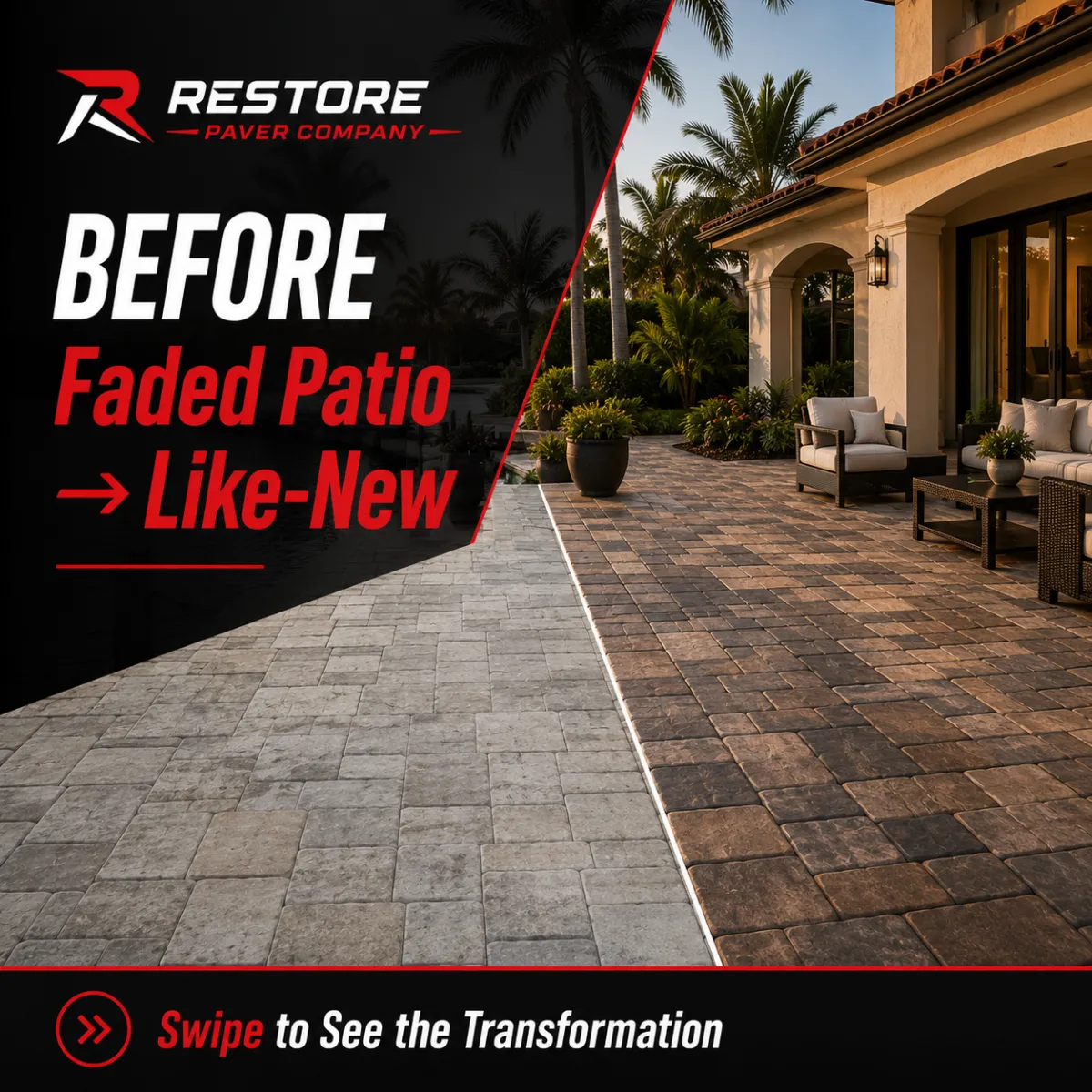
View our paver sealing before and after photos or contact us today to schedule a paver sealing quote.
FAQs About the Best Time to Seal Pavers
What is the best month to seal pavers in Florida?
There is no single best month, but fall, winter, and early spring are often ideal because there is usually less rain and lower humidity.
Can pavers be sealed in the summer?
Yes, but summer sealing requires careful timing because of heat, humidity, and afternoon storms.
Can you seal pavers before rain?
Pavers should not be sealed if rain is expected too soon. Moisture can affect the finish and performance.
Is winter good for paver sealing in Florida?
Yes, winter can be one of the best times because of cooler temperatures and better drying conditions.
How do I know if my pavers need sealing?
If your pavers look faded, dull, stained, dirty, or have weeds and missing joint sand, they may need cleaning and sealing.
