Can You Seal Pavers After Pressure Washing? | Restore Paver Co.
Can You Seal Pavers After Pressure Washing?
Yes, pavers can be sealed after pressure washing, but they should not be sealed immediately unless the conditions are right.
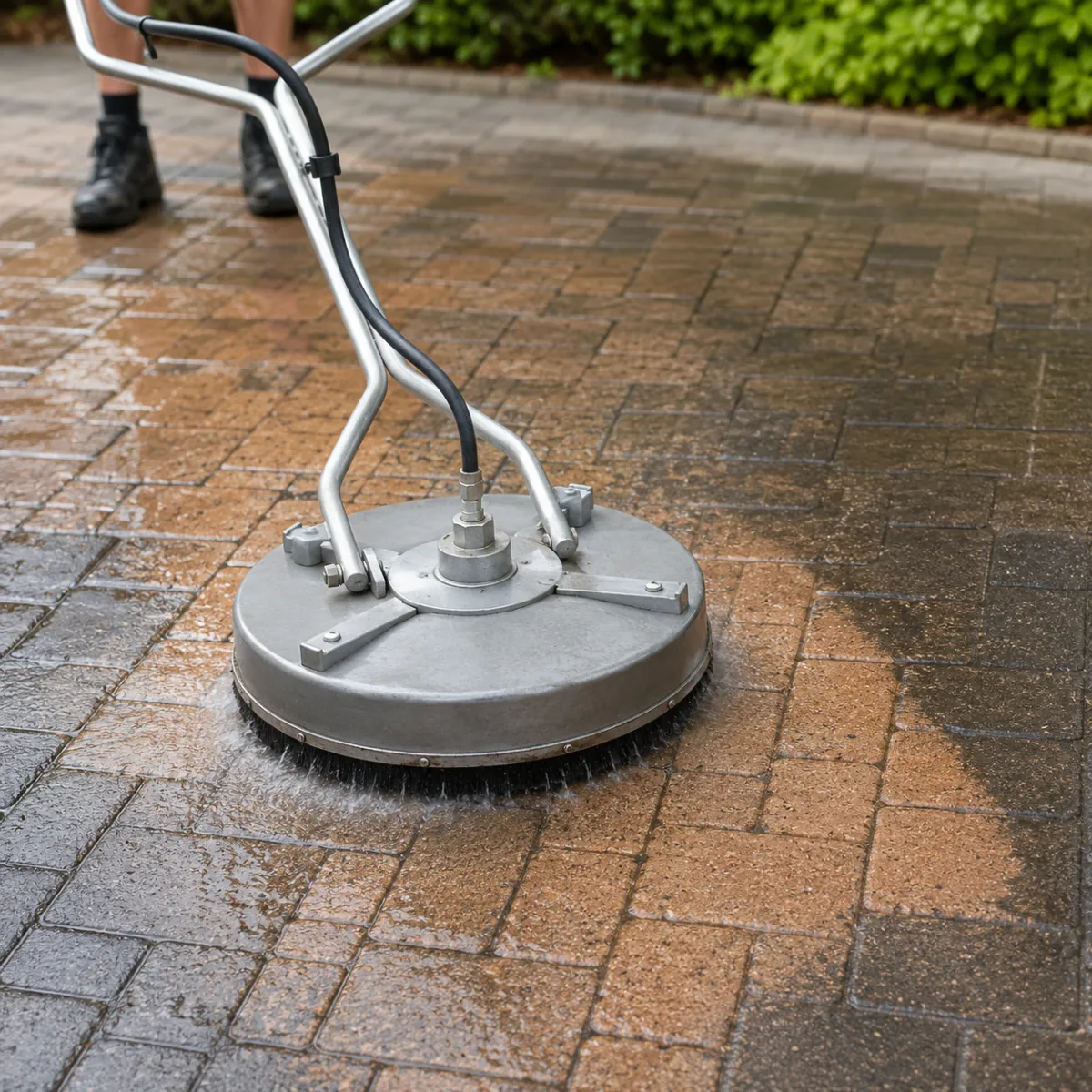
Pressure washing is an important part of preparing pavers for sealing, but the surface must be properly cleaned, evaluated, and ready before sealer is applied.
In Florida, moisture, humidity, and weather can affect how soon pavers can be sealed after washing.
Restore Paver Co. provides professional paver cleaning and sealing throughout Tampa Bay, using a complete process that includes cleaning, joint preparation, sanding when needed, and proper sealing.
Why Pressure Washing Before Sealing Is Important
Pavers should be clean before they are sealed.
Pressure washing can help remove:
Dirt
Mold
Algae
Mildew
Leaves
Organic buildup
Stains
Old sand
Debris between joints
Sealing dirty pavers can trap grime under the sealer and cause an uneven or unattractive finish.
Can You Seal Pavers the Same Day They Are Washed?
Sometimes, but not always.
Whether pavers can be sealed the same day depends on:
Weather
Humidity
Paver porosity
Sun exposure
Drainage
Cleaning method
Sealer type
Existing moisture
Surface condition
In Florida, high humidity and afternoon storms can make same-day sealing difficult. The pavers need to be ready before sealer is applied.
What Happens If You Seal Wet Pavers?
Sealing pavers that are too wet can cause major problems.
Possible issues include:
White haze
Cloudy finish
Trapped moisture
Poor adhesion
Uneven appearance
Blotchy sealer
Shorter sealer life
This is one of the most common reasons pavers turn white or cloudy after sealing.
Does Pressure Washing Remove Joint Sand?
Yes, pressure washing can remove loose or old sand from between pavers.
That is not always a bad thing. If the joint sand is dirty, contaminated, or already washing out, it may need to be replaced before sealing.
Restore Paver Co. offers paver joint sanding services when the joints need to be refilled and stabilized.
Should Pavers Be Re-Sanded After Pressure Washing?
Many paver surfaces should be re-sanded after pressure washing, especially if the joints are low or empty.
Signs your pavers need sanding include:
Deep gaps between pavers
Loose pavers
Weeds in the joints
Ant hills
Sand washing away
Uneven joints
Pavers shifting
Joint sand helps lock the pavers together and improve the finished appearance.
Why DIY Pressure Washing Can Cause Problems
Pressure washing pavers incorrectly can cause damage or create problems before sealing.
Common mistakes include:
Using too much pressure
Blasting out too much sand
Etching the paver surface
Leaving streaks
Not removing all mold or algae
Cleaning unevenly
Sealing before the surface is ready
Professional paver cleaning in Tampa Bay helps prepare the surface correctly before sealing.
The Right Process After Pressure Washing
A proper paver sealing process usually includes:
Inspecting the pavers
Cleaning the surface
Removing dirt, mold, and algae
Clearing joints
Allowing proper preparation time
Re-sanding joints if needed
Inspecting weather conditions
Applying sealer evenly
Skipping steps can lead to poor results.
When Should You Schedule Paver Sealing?
If your pavers look faded, dirty, moldy, or full of weeds, it may be time to schedule cleaning and sealing.
Pavers are commonly sealed after:
Heavy cleaning
Joint sanding
Weed removal
Mold removal
Patio restoration
Driveway restoration
Pool deck restoration
View our cleaned and sealed paver projects to see the difference professional restoration can make.
Get Professional Paver Cleaning and Sealing
If you are planning to pressure wash and seal your pavers, Restore Paver Co. can help make sure the job is done correctly.
We provide paver cleaning, sanding, sealing, and restoration throughout Tampa Bay.
Contact us today to request a paver sealing estimate.
FAQs About Sealing Pavers After Pressure Washing
Can you seal pavers right after pressure washing?
Sometimes, but the pavers need to be properly prepared and ready. Sealing too soon can trap moisture.
How long should pavers dry after pressure washing?
Drying time depends on weather, humidity, paver type, and surface conditions. In Florida, humidity and rain can affect timing.
Does pressure washing remove sand between pavers?
Yes, pressure washing can remove loose joint sand. Re-sanding may be needed before sealing.
What happens if you seal damp pavers?
Sealing damp pavers can cause white haze, cloudiness, poor bonding, and uneven finish.
Should I hire a professional to clean and seal pavers?
Professional service can help prevent common mistakes and improve the final appearance and performance of the sealer.
