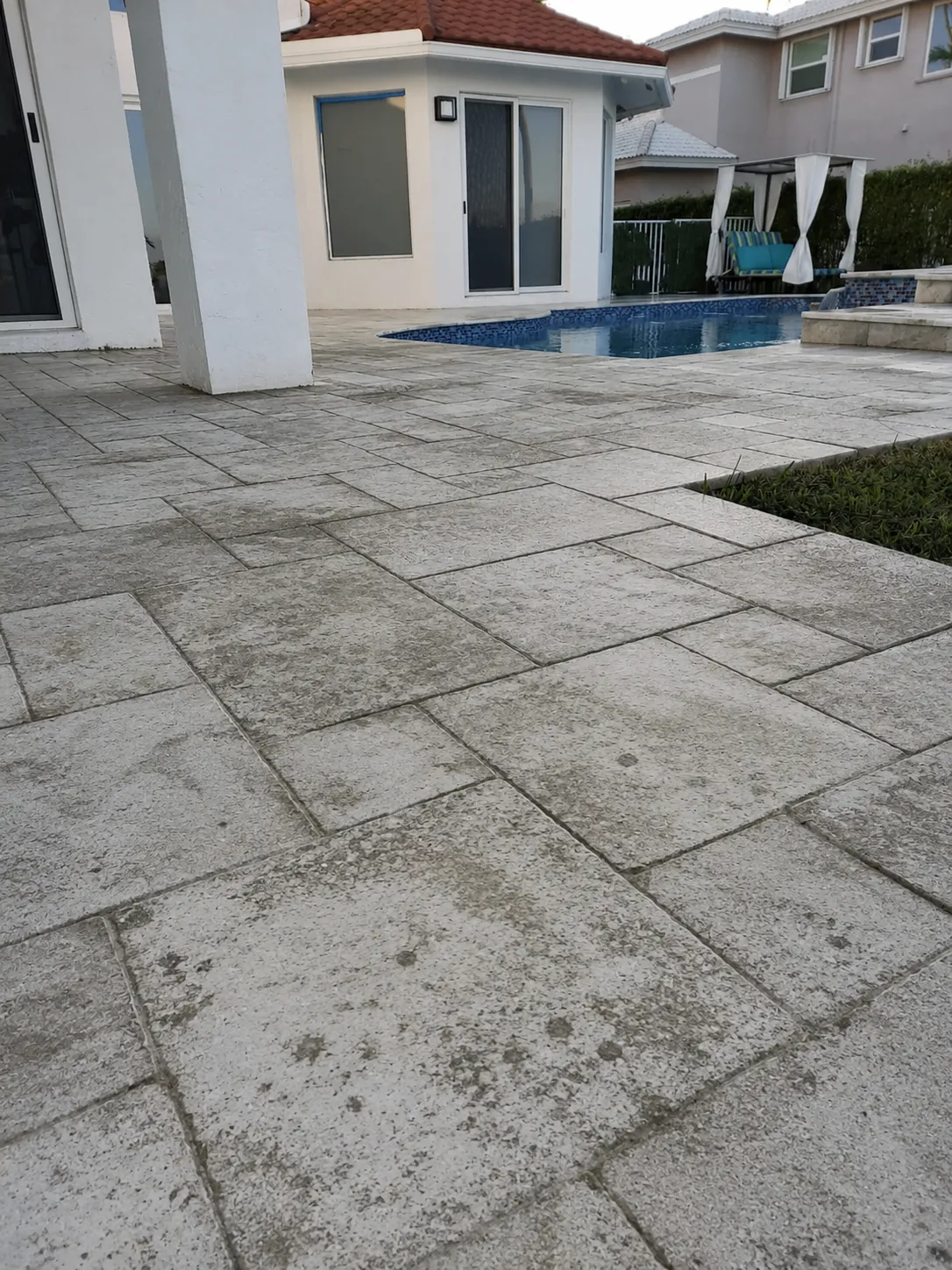
Why Are My Pavers Turning White After Sealing? | Restore Paver Co.
Why Are My Pavers Turning White After Sealing?
If your pavers turned white, cloudy, or hazy after sealing, you are not alone. White haze is one of the most common paver sealer problems homeowners experience in Florida.
The problem can happen on driveways, patios, pool decks, walkways, and outdoor living areas.
In many cases, white pavers after sealing are caused by trapped moisture, over-application, poor surface preparation, incompatible sealer, or old sealer failure.
Restore Paver Co. provides paver restoration services throughout Tampa Bay to help homeowners fix failed sealer and restore the appearance of their pavers.
What Does White Haze on Pavers Look Like?
White haze can appear in several ways.
You may notice:
Milky white film
Cloudy sealer
Blotchy patches
White spots
Uneven gloss
Dull cloudy areas
Peeling or flaking
A chalky appearance
Areas that look trapped under the sealer
Sometimes the white haze appears shortly after sealing. Other times, it develops weeks or months later.
Common Causes of Pavers Turning White
White paver sealer can happen for several reasons.
1. Moisture Trapped Under the Sealer
This is one of the most common causes in Florida.
Pavers can hold moisture from rain, cleaning, humidity, irrigation, or poor drainage. If sealer is applied before the pavers are ready, moisture can become trapped and create a cloudy or white appearance.
2. Too Much Sealer Was Applied
More sealer is not always better.
Applying sealer too thick can prevent proper curing and may cause a cloudy, sticky, uneven, or white finish.
3. The Pavers Were Not Cleaned Properly
If dirt, mold, algae, or residue is left on the surface, the sealer may not bond or dry correctly.
Proper cleaning is an important part of every paver sealing project.
4. Old Sealer Was Already Failing
If previous sealer was already cloudy, peeling, or failing, applying new sealer over it can make the problem worse.
In these cases, paver sealer stripping or restoration may be needed before resealing.
5. Wrong Sealer for the Surface
Not every sealer works well on every paver. The wrong product can cause poor results, especially in Florida weather.
6. Sealing in Bad Weather
Rain, humidity, dew, and extreme heat can all affect the final result. Timing matters when sealing pavers.
Can White Haze Be Fixed?
In many cases, yes. But the correct solution depends on the cause.
Sometimes the issue can be improved with cleaning or treatment. In other cases, the failed sealer may need to be removed before the pavers can be properly resealed.
That is why it is important to request a paver sealer inspection before applying more product.
Adding more sealer over a failed coating can make the problem worse.
Should You Seal Over White Pavers?
Usually, no.
If the white haze is caused by trapped moisture, failed sealer, or over-application, sealing over it may lock in the problem and create more buildup.
Before resealing, the pavers should be inspected to determine whether they need:
Cleaning
Drying time
Surface correction
Sealer removal
Re-sanding
Complete restoration
Restore Paver Co. can help determine the right process.
How to Prevent Pavers from Turning White
The best way to avoid white haze is to prepare and seal the pavers correctly.
Important steps include:
Cleaning the surface properly
Removing dirt, mold, and algae
Checking existing sealer condition
Avoiding over-application
Using the right sealer
Watching weather conditions
Allowing proper preparation time
Applying sealer evenly
Professional application helps reduce the risk of sealer problems.
Why Florida Pavers Are More Prone to Sealer Problems
Florida conditions make paver sealing more challenging.
Common issues include:
High humidity
Afternoon storms
Heavy rain
Irrigation overspray
Morning dew
Intense heat
Mold and algae growth
Poor drainage
These conditions can increase the risk of moisture getting trapped under sealer if the job is rushed or done incorrectly.
Professional Paver Restoration in Tampa Bay
If your pavers are already white, cloudy, peeling, or blotchy, Restore Paver Co. can help.
Our paver restoration in Tampa Bay is designed for homeowners dealing with failed sealer, faded pavers, dirty joints, and worn outdoor surfaces.
View our before and after paver restoration results or contact us today to schedule an inspection.
FAQs About White Haze on Pavers
Why did my pavers turn white after sealing?
White haze is often caused by trapped moisture, too much sealer, poor preparation, old failed sealer, or sealing in bad weather.
Can cloudy paver sealer be fixed?
Often, yes. The correct fix depends on the cause and condition of the existing sealer.
Can I put more sealer over white haze?
It is usually not recommended. Applying more sealer can lock in the problem or make buildup worse.
Does Florida humidity cause paver sealer problems?
Humidity can contribute to sealer issues, especially if the pavers are not properly prepared or weather conditions are poor during application.
Should failed paver sealer be removed?
If the sealer is peeling, cloudy, white, or heavily built up, removal or restoration may be needed before resealing.
